

When Should You Schedule Snow Plowing Services in Western New York?
Don't Wait for the First Snowfall
Most homeowners don't spend much time thinking about snow plowing when the weather is still warm. By the time snow removal becomes a priority, it's often because a winter storm is already in the forecast. The challenge is that winter planning tends to happen all at once. As temperatures drop and the first snowfall becomes more likely, many property owners begin looking into snow removal options at the same time. That's why understanding the seasonal timeline can make winter preparation much less stressful. If you're wondering when to start thinking about snow plowing services in Western New York, here's a realistic guide based on how most local homeowners plan throughout the season.
September: Be Ahead of the Majority
For most people, September is still firmly considered fall. Kids are back in school, football season is here, and winter feels like it's a long way off. While September may be too early for many homeowners to make final decisions about snow removal, it's a great time to start thinking ahead. This is especially true if you're a new homeowner, recently moved to the area, travel frequently during winter, or simply don't want to be shoveling snow all season long. You don't need to make any commitments yet. Instead, use this time to evaluate your property, think about your winter needs, and determine whether you'll be handling snow yourself or looking for professional help.
October: The In-between Prep Period and the Rush
October is when many Western New York homeowners begin preparing for winter. The weather is usually still pleasant, there isn't a sense of urgency, and property owners have time to make informed decisions without feeling rushed. It's also the time of year when many people begin realizing that winter isn't actually that far away. If you're considering snow plowing services, October is often the perfect opportunity to start researching options and understanding what's available. You're not competing with the rush that comes later in the season, and you can take the time to figure out what works best for your property. Think of October as the planning stage rather than the panic stage.
Why Some Homeowners Start Planning Even Earlier
Not every homeowner waits until October to start thinking about winter. In Western New York, people who travel frequently, have demanding work schedules, or simply don't enjoy shoveling often begin planning several months before snow season officially arrives. Homeowners who have experienced difficult winters in the past also tend to prepare sooner. A single season of scrambling to clear a driveway before work or dealing with several storms in a short period can change the way people approach winter planning. Starting early doesn't mean committing to anything immediately. Instead, it gives homeowners time to evaluate their needs, understand their options, and make decisions without feeling rushed by the weather.
Is November too Late?
By November, winter becomes a much more tangible reality across Western New York. Historically, Buffalo's first measurable snowfall usually occurs in November, although snow can occasionally arrive earlier depending on the year. Seasonal snowfall activity also begins increasing significantly as Western New York moves deeper into late fall.
This is often when homeowners who haven't been paying attention suddenly begin thinking about snow removal. The weather forecast becomes more important, temperatures continue dropping, and people start imagining what their morning commute will look like after the first storm. If you haven't started planning by November, it's still not too late. However, this is often when many homeowners begin actively making arrangements for the season ahead.
What Happens When Everyone Waits Until the Forecast Changes?
If you've ever gone grocery shopping before a major Buffalo snowstorm, you've probably noticed the same pattern every local homeowner has seen at some point. As soon as winter weather appears in the forecast, people start preparing all at once. The same thing often happens with winter property planning.
Homeowners who haven't thought much about snow removal throughout the fall suddenly realize winter is no longer a future problem. Driveways, sidewalks, parking areas, and daily commutes become top priorities almost overnight. This is one reason many experienced homeowners prefer to make winter plans before the first significant storm appears in the forecast. Planning ahead allows them to focus on the weather itself instead of the logistics that come with it.
December: The Busy Season Begins
Many people assume winter starts and ends with the first snowfall. In reality, December is often just the beginning. Buffalo and the surrounding communities can experience significant snowfall throughout December, January, February, and even into March depending on the season. That's why preparing for one snowstorm is less important than preparing for an entire winter. By December, homeowners generally want to have their plans finalized. Few people enjoy making important decisions in the middle of a snowstorm, especially when roads are slippery and more snow is in the forecast. The less uncertainty you have by December, the easier winter tends to feel.
January and February: The Payoff
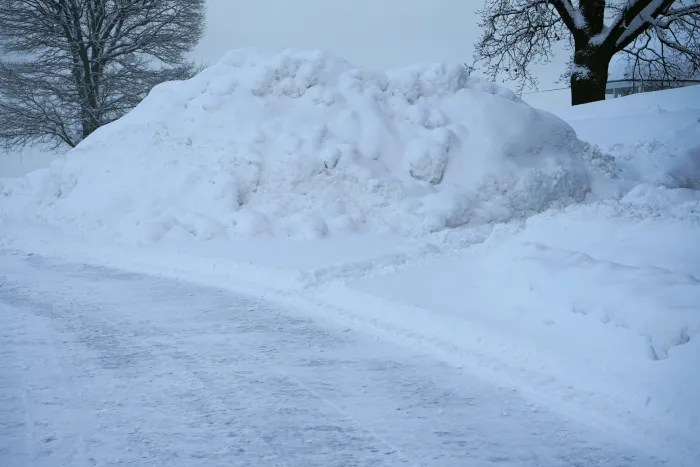
January and February are often the months when Western New York experiences some of its most challenging winter conditions. This is when preparation starts paying off. Homeowners who took some time to plan during the fall can focus on getting through the season rather than scrambling to figure things out during every storm. That's really the goal of planning ahead. It's not about obsessing over weather forecasts or assuming the worst. It's about eliminating unnecessary stress and avoiding last-minute decisions when winter weather is already creating enough challenges.
So, What's the Best Time?
For most Western New York homeowners, October is the sweet spot. It's early enough to avoid the seasonal rush but close enough to winter that planning feels relevant. October gives homeowners an opportunity to evaluate their options, think through their needs, and prepare without the pressure that often arrives once snowfall appears in the forecast. November can still work well, but waiting until the first major winter weather alert is usually where planning starts turning into reacting.
New To Western New York? Here's What Many Homeowners Don't Expect
People moving to Western New York from other parts of the country are often surprised by how differently winter can behave here. Lake-effect snow can create dramatically different conditions across relatively short distances. One community may receive only a few inches of accumulation while another receives significantly more from the same weather system. Because of this, many longtime residents approach winter preparation differently than homeowners in regions with more predictable snowfall patterns. That doesn't mean winter needs to be stressful. It simply means preparation becomes an important part of homeownership. The more familiar you become with local weather patterns, the easier it becomes to make informed decisions about winter property maintenance.
A Little Planning Goes a Long Way
One thing Western New York homeowners learn quickly is that winter always arrives quickly and sometimes is not very forgiving. The exact timing may change from year to year, but snow season is as much a part of life here as summer barbecues and Bills games. That's why more homeowners are choosing to think about snow plowing before they actually need it. A little planning in September, October, or November can make the entire winter season feel more manageable. At CSA Landscaping, we've seen firsthand how much smoother winter can be when homeowners prepare ahead of time. Whether you're new to Western New York or you've lived here your entire life, having a plan before the first major snowfall arrives is one of the simplest ways to make the season less stressful and more enjoyable.
Frequently Asked Questions
When should most homeowners schedule snow plowing services?
For many Western New York homeowners, October is an ideal time to begin planning winter property maintenance. It provides time to evaluate options before winter weather becomes a daily concern.
Is October too early to think about snow removal?
Not at all. October is often considered the planning stage of the season. Homeowners can make decisions without the urgency that typically accompanies the first major snowfall.
Can snow arrive in Buffalo before December?
Yes. Historical weather data shows measurable snowfall often begins in November, and early-season snowfall can occasionally occur in October depending on weather patterns.
Why do experienced homeowners plan ahead?
Many homeowners prefer to have a plan in place before winter weather arrives. Planning ahead reduces stress, eliminates last-minute decisions, and allows property owners to focus on navigating the season rather than reacting to it.
Tuesday 8AM-9PM
Wednsday 8AM-9PM
Thursday 8AM-9PM
Friday 8AM-9PM
Saturday 8AM-9PM
Sunday 8AM-9PM
