

Is Your Property Ready for the First Buffalo Snowfall?
Every Western New York Homeowner Knows This Feeling
If you've lived in Western New York for more than a year or two, you know the feeling. The forecast calls for a little snow, then temperatures drop overnight, lake-effect bands roll in, and winter has arrived whether you're ready or not. Most of us head into October assuming we still have time. Maybe there's a drainage issue you've been meaning to fix. Maybe a few branches need attention. Maybe leaves keep collecting in spots that never seem to dry out. Then, almost without warning, October is gone. That's why this time of year matters so much.
Preparing your property before winter arrives is usually easier, less stressful, and less expensive than dealing with problems after snow and ice settle in for good. For homeowners throughout Western New York, a little preparation now goes a long way toward protecting both the look and the function of a property through the colder months.
Winter Weather Can Be Hard on Local Properties
Western New York winters don't mess around. According to climate data from the National Weather Service and long-term regional snowfall records, the Buffalo area averages roughly 95 inches of snow a year, though totals swing widely from one season to the next depending on lake-effect activity. That's a lot of snow bearing down on lawns, trees, drainage systems, walkways, patios, fences, and landscape features.
For homeowners, fall preparation isn't about making everything look perfect before winter. It's about lowering the odds that small issues turn into bigger headaches once freezing temperatures, snow, and ice enter the picture. The properties that tend to come through winter in the best shape aren't always the newest or the most expensive. They're often the ones that got a little attention before winter set in.
Think Beyond Snow When Preparing for Winter
When people think about winter prep, they usually picture snow shovels, snowblowers, and bags of ice melt. But plenty of winter problems start well before the first snowfall. A drainage issue in October can turn into an ice problem by January. A weakened tree branch might not show trouble until it's carrying the weight of heavy snow. Leaves left sitting on a lawn all fall can create issues that don't surface until spring. That's why winter prep really begins before winter does. The homeowners who stay calmest during the colder months are usually the ones who spent a little time catching problems while the weather still let them.
Take a Walk Around Your Property
One of the most valuable things you can do this time of year costs nothing at all. Take a slow walk around your property. Look for low spots where water tends to collect. Check walkways and patios for uneven surfaces. Notice where leaves pile up after a windy day. Pay attention to branches hanging over driveways, sidewalks, or outdoor living areas. A lot of these issues are easy to miss in summer, but they're much easier to spot once the foliage thins out and the weather starts to turn. Jotting these concerns down now gives you time to handle them before snow buries everything.
Your Drainage System Deserves More Attention Than It Gets
Most homeowners don't think much about drainage until something goes wrong. The trouble is, drainage issues rarely fix themselves. Throughout fall, leaves and debris can pile up in the areas responsible for moving water away from your property, and once those areas get blocked, water can start pooling where it shouldn't.
Once temperatures drop below freezing, those wet spots can turn into icy patches that create safety concerns and make it harder to move around your property. Taking a few minutes to check drainage paths, low-lying areas, and spots where water tends to gather can help you catch problems before winter weather makes them worse.
Pay Attention to Your Trees Before Winter Arrives
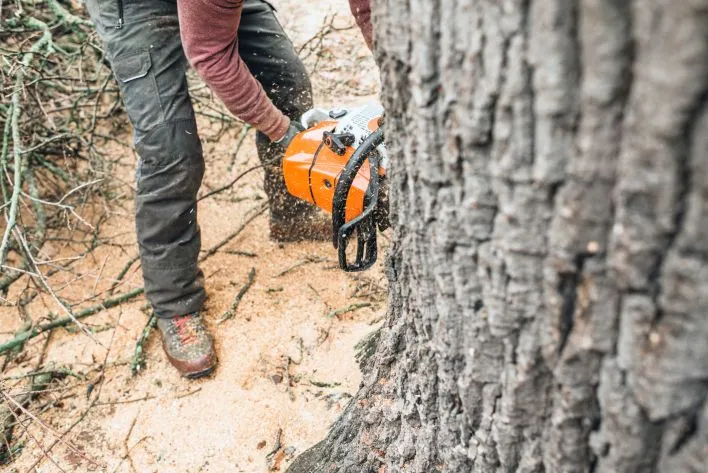
Trees are one of the most valuable features on many properties, and also one of the most overlooked heading into winter. Over the course of a year, they take on wind, storms, insects, disease, and ordinary aging. By fall, some branches may already be weakened without showing any obvious signs from the ground.
According to guidance from the International Society of Arboriculture, dead, defective, or structurally weak branches can become more vulnerable during severe weather, especially under the weight of heavy snow and ice. That doesn't mean every tree in your yard needs a second look. It just means fall is a good time to check for obvious concerns, since a little attention now can help you avoid property damage later.
Leaves Are More Than a Cosmetic Issue
Most people think of leaves as a cleanup chore, but they're a maintenance issue too. When leaves pile up, they can trap moisture, block airflow, and build up in spots where water is meant to drain freely. They also tend to collect around landscape features, walkways, and planting beds. Nobody expects a perfectly leaf-free yard in autumn — that's part of life in Western New York. But letting large piles sit for too long can create avoidable problems heading into winter. Keeping high-traffic areas and key drainage spots clear can make a real difference as the seasons turn.
Walkways and Outdoor Spaces Matter Too
As winter approaches, most people focus on their lawns and landscaping, but outdoor safety deserves just as much attention. Now is a good time to check sidewalks, walkways, driveways, patios, and other frequently used outdoor areas. Uneven surfaces, loose materials, and hidden obstacles get much harder to spot once snow covers them. Fixing minor issues before winter arrives helps keep things safer for family, guests, delivery drivers, and anyone else who visits throughout the season. Sometimes the smallest problems turn into the biggest headaches after the first snowfall.
Why Homeowners Often Wait Too Long
It's an easy trap to fall into. The weather's still decent, the holidays feel far off, and the lawn still looks fine, so winter doesn't feel urgent yet. But Western New York weather doesn't always give much warning — we've all seen years where conditions shifted faster than anyone expected. That's what makes October and early November such a valuable window. There's still time to look over your property, flag any concerns, and make thoughtful decisions before winter weather starts calling the shots. Getting ahead of it is almost always easier than reacting to it.
The Best Winter Preparation Happens Before Winter Starts
No one can say exactly when Buffalo's first big snowfall will hit or how much snow the season will bring. What homeowners can control is how ready their property is when it does. Taking time to check drainage, inspect trees, clear problem areas, address minor safety concerns, and prepare outdoor spaces can make a real difference once winter settles in. The goal isn't a perfect property. It's peace of mind.
At CSA Landscaping, we've seen firsthand how much easier winter can be when homeowners use the fall season to get ahead of potential issues. Whether winter shows up early or late this year, a little preparation today can help keep your property safer, healthier, and easier to manage throughout the months ahead.
Winter Will Be Here Sooner Than You Think
In closing, Western New York winters arrive quickly, and a property prepared in advance withstands the season with far less disruption. Proactive planning for plowing, salting, and de-icing protects driveways, walkways, and parking areas while reducing safety risks for residents, employees, and visitors alike. CSA Landscaping stands ready to help homeowners and businesses across Buffalo and the surrounding communities approach the first snowfall with confidence. Contact our team today to establish a winter service plan built on reliability, experience, and year-round dedication to the properties we serve.
FAQ
What fall clean up services does CSA Landscaping provide?
CSA Landscaping promptly clears fall leaves to prevent lawn buildup and serves Williamsville, NY and surrounding Western New York areas with complete fall clean up services.
How much snow does the Buffalo area typically get each year?
According to the National Weather Service and long-term regional snowfall records, the Buffalo area averages roughly 95 inches of snow annually, though totals vary depending on lake-effect activity.
Why should homeowners install sod or plant trees and shrubs before winter?
CSA Landscaping installs sod on residential and business properties to strengthen lawns before winter weather sets in, and adds trees and shrubs now so roots establish before Buffalo's snow season begins.
Tuesday 8AM-9PM
Wednsday 8AM-9PM
Thursday 8AM-9PM
Friday 8AM-9PM
Saturday 8AM-9PM
Sunday 8AM-9PM
