

When Does Landscaping Season Really End in Western New York?
Most People Think the Season Ends After Halloween
Ask most Western New York homeowners when landscaping season ends, and you'll likely hear the same answer: sometime in the fall. It's an easy assumption to make. By October, leaves are coming down, temperatures are dropping, and lawns aren't growing the way they did over the summer. Once Halloween passes, it feels natural to assume the season is winding down. The truth is a bit more complicated than that. The season of flowers may be slowing down, but plenty of essential landscaping work continues well beyond October. In fact, some of the most important property maintenance of the entire year happens during late fall and early winter, as homeowners get their properties ready for the months ahead.
Why Homeowners Often Get the Timing Wrong
One of the most common misconceptions about landscaping season is that it follows our timing on a calendar. Many homeowners figure that around back to school time and early October the outdoor maintenance is finished for the year. In practice, the weather has far more say in the matter than any date on a calendar. A stretch of mild weather in late October or early November can still open up real opportunities for property care. Leaves keep falling, drainage systems still need attention, and landscape beds can often use care before winter settles in for good. That's why experienced homeowners pay attention to the outside rather than the date on the wall. Landscaping season doesn't end because a particular day arrives on the calendar. It ends when the weather no longer allows the work to get done.
When Does Landscaping Season End?
In Western New York, landscaping season typically begins slowing down in October but often continues through much of November depending on weather conditions. While lawn growth slows during the fall, services such as fall cleanup, leaf removal, mulching, drainage maintenance, and winter property preparation frequently continue until freezing temperatures and snowfall become more consistent.
The Transition Most Homeowners Never See
From a homeowner's point of view, it can look like landscaping companies simply stop working the moment snow arrives. Behind the scenes, though, there's usually a gradual transition happening long before that first snowfall. Leaf cleanup, landscape maintenance, and winter prep tend to overlap for weeks before snow removal finally takes over as the main focus from the first snow fall. That overlap is part of why fall is one of the busiest stretches of the year for landscaping professionals. They aren't simply wrapping up one season. They're building the next one at the same time.
What Landscapers Are Doing Behind the Scenes
While homeowners are focused on their own yards, landscaping companies like us are usually managing two seasons at once. Through October and November, crews may spend the day on fall cleanup while also prepping trucks, plows, salters, and other equipment for winter. Route planning, equipment checks, scheduling, and general seasonal readiness all become top priorities as the colder months get closer. This is a big reason late fall tends to be one of the busiest times of year in the landscaping business. Our crews aren't just closing out one season they're actively managing the handoff between landscaping work and winter service at the same time.
October Is a Transition Month
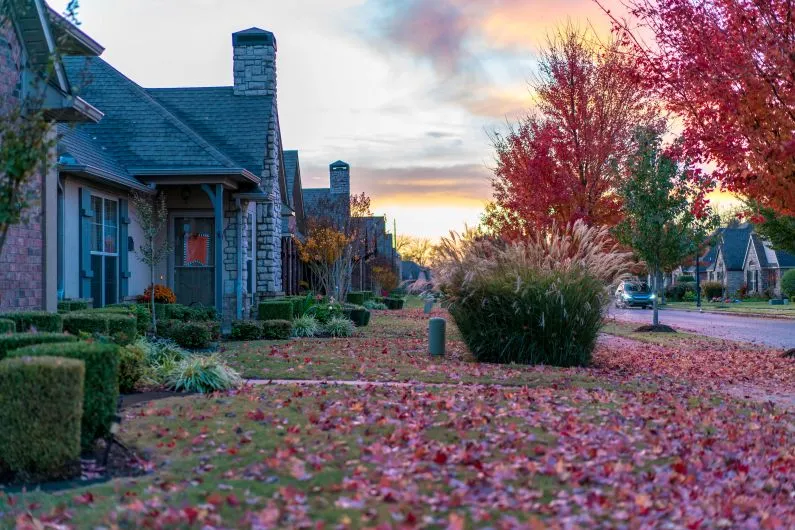
October isn't really the finish line for landscaping season; it's more of a bridge between the growing season and winter preparation. Lawns stay active below the surface even as visible growth slows down. Trees are settling into dormancy, leaves keep turning color and falling, while landscape beds often need even more attention before winter weather sets in and the warm season wrpas up. That's why many landscaping companies stay busy well into October, helping homeowners with fall cleanup services before winter weather arrives. While homeowners may assume the season is winding down, professionals are focused on getting properties ready for what comes next. For many Western New York properties, October is less about growth and more about preparation.
November Is Often Busier Than People Expect
One of the bigger surprises for homeowners is just how much landscaping work still happens in November. Leaves keep falling long after most people assume they're done. Properties often need one last cleanup before winter takes hold, which is why many homeowners schedule yard cleanup services throughout November. Drainage areas need attention too, and landscape beds often benefit from fresh mulching services before winter arrives.
Buffalo has historically seen snowfall in November, but that doesn't mean landscaping work grinds to a halt overnight. Most of the time WNY brings a mix of mild days, falling leaves, and the occasional snow, sometimes all within the same month as we know from past experiences. That mix is exactly why November tends to be one of the most unpredictable stretches of the year for homeowners and landscaping professionals alike.
The Weather Usually Decides
Unlike a sport with a fixed start and end date, landscaping season in Western New York is largely dictated by the weather. Some years bring a long, mild fall that lets outdoor work continue well into November. Other years bring an early cold snap and snowfall that speeds up the shift into winter maintenance. That unpredictability is exactly why experienced homeowners don't wait until the last minute to get seasonal projects done. Nobody can say for certain when winter will settle in for good. The calendar offers a rough guide, but the weather makes the final call.
Weather carries so much weight here because Western New York sees some of the snowiest winters in the country. According to climate data maintained by the National Weather Service, the Buffalo area averages approximately 95 inches of snowfall annually, though totals can swing significantly depending on lake-effect snow patterns. Those conditions shape a landscaping calendar that looks quite different from much of the rest of the country. While homeowners in warmer climates may carry outdoor projects well into winter, Western New York property owners typically use October and November to get ahead of the weather before conditions turn less predictable.
Winter Doesn't Mean Property Maintenance Stops
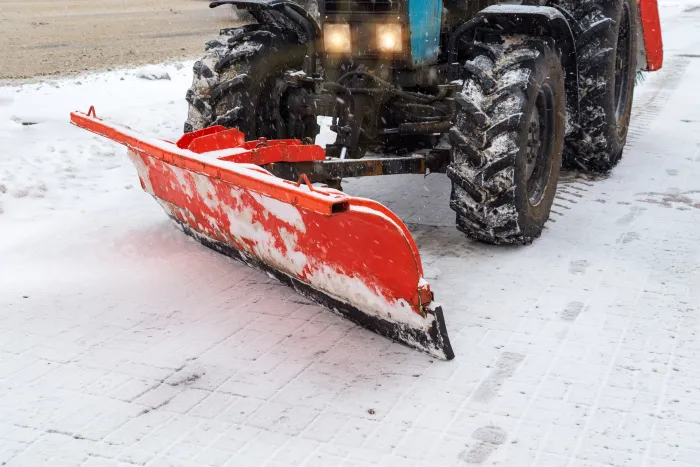
Many people assume landscaping companies disappear once the snow starts falling. In reality, most simply shift their focus. As temperatures keep dropping, attention moves from lawn care and landscape maintenance to winter property services. Services such as snow removal, residential driveway snow removal, and salting services often take over as the main priority once winter weather sets in. For homeowners, that's why it can feel like landscaping season never really ends. The tasks change, but the property care continues all year. One season simply leads into the next.
The Last Landscaping Tasks Before Winter
As landscaping season winds down, most homeowners tend to focus on the obvious things like leaves and final mowing. However, many experienced property owners use late fall to complete a handful of tasks that can make a noticeable difference once spring arrives. Some of the most common late-season projects include cleaning landscape beds, removing accumulated debris, refreshing mulch, inspecting drainage areas, trimming back damaged plant material, and preparing outdoor spaces for snow and ice. These tasks may not seem glamorous, but they help reduce the amount of work waiting for homeowners once winter finally ends.
Many landscaping professionals view these projects as the final step in transitioning a property from growing season to winter season. While every property is different, completing a few preventative maintenance tasks before winter arrives can often make spring cleanup faster and more manageable.
Spring Success Often Starts in Fall
Experienced homeowners care about late-season landscaping for a simple reason: they understand how closely fall preparation and spring results are connected. A property that goes into winter in good shape is usually easier to maintain the following year. Landscape beds stay cleaner, drainage systems work more effectively, and lawns typically have fewer problems to bounce back from once temperatures warm up. That's why many professionals treat fall landscaping as an investment in next spring rather than just another seasonal chore. The work may not be as visible as spring flowers or freshly cut grass, but it can shape how a property performs for months to come.
When Does Landscaping Season Really End?
Honestly, there isn't one clean answer or a single date on the calendar for when the season ends because property care is year round. For most Western New York homeowners, the traditional growing season starts slowing down in October and keeps transitioning through November. Depending on the weather, outdoor maintenance tasks typically continue well past the point when most people assume landscaping season is over. The reality, landscaping doesn't stop so much as it changes shape. Fall preparation becomes winter maintenance, winter maintenance eventually becomes spring cleanup, and before long the growing season starts all over again. That cycle is part of what makes owning property in Western New York unique. Every season brings its own challenges, and every season is a chance to get ahead of the next one.
A Year-Round Approach to Property Care
At CSA Landscaping, we've learned that the healthiest, best-looking properties are rarely the product of a single busy season. They're the result of steady, year-round attention.
Whether it's managing leaves in October, preparing landscapes in November, or helping properties get through winter weather, each season plays its own role in a property's long-term health. Understanding that ongoing transition is one of the best ways homeowners can stay ahead of seasonal maintenance and protect their investment all year long.
The End of One Season & The Start of Another
In closing, landscaping season in Western New York does not end on a fixed date—it fades gradually as fall cleanups give way to winter preparation, and it resumes just as fluidly when spring conditions allow. Property owners who plan around this transition, rather than a single calendar cutoff, protect their landscapes and set the stage for a stronger season ahead. CSA Landscaping remains committed to guiding clients through every seasonal shift, ensuring properties stay maintained, protected, and ready for whatever Western New York weather brings next.
FAQ
When does landscaping season officially end in Western New York?
Landscaping season typically winds down by late November, right before hard freezes set in. The exact end depends on weather conditions rather than a fixed calendar date.
What triggers the switch from landscaping to snow removal?
For many landscaping companies, the transition begins when temperatures consistently drop and snowfall becomes more likely. Throughout October and November, landscaping activities often overlap with winter preparation before snow removal becomes the primary focus.
What landscaping tasks happen right before the season ends?
Fall cleanup, leaf removal, and final mowing mark the true end of the WNY landscaping season. CSA Landscaping then transitions Buffalo, NY properties to winter driveway snow removal services.
Tuesday 8AM-9PM
Wednsday 8AM-9PM
Thursday 8AM-9PM
Friday 8AM-9PM
Saturday 8AM-9PM
Sunday 8AM-9PM
